Marrakech to Fes Road Trip: Route, Stops and Costs
A marrakech to fes road trip covers one of the longest stretches you can drive in Morocco without touching the coast, and it earns the distance. You leave the red walls of Marrakech, climb into cedar forest around Ifrane, and roll down into the blue gates of Fes by evening. It is not a quick hop. Plan on six to seven hours of actual driving, more if you stop for lunch, photos, or the Barbary macaques that hang around the Ifrane forest road.
Choosing the route for your Marrakech to Fes road trip
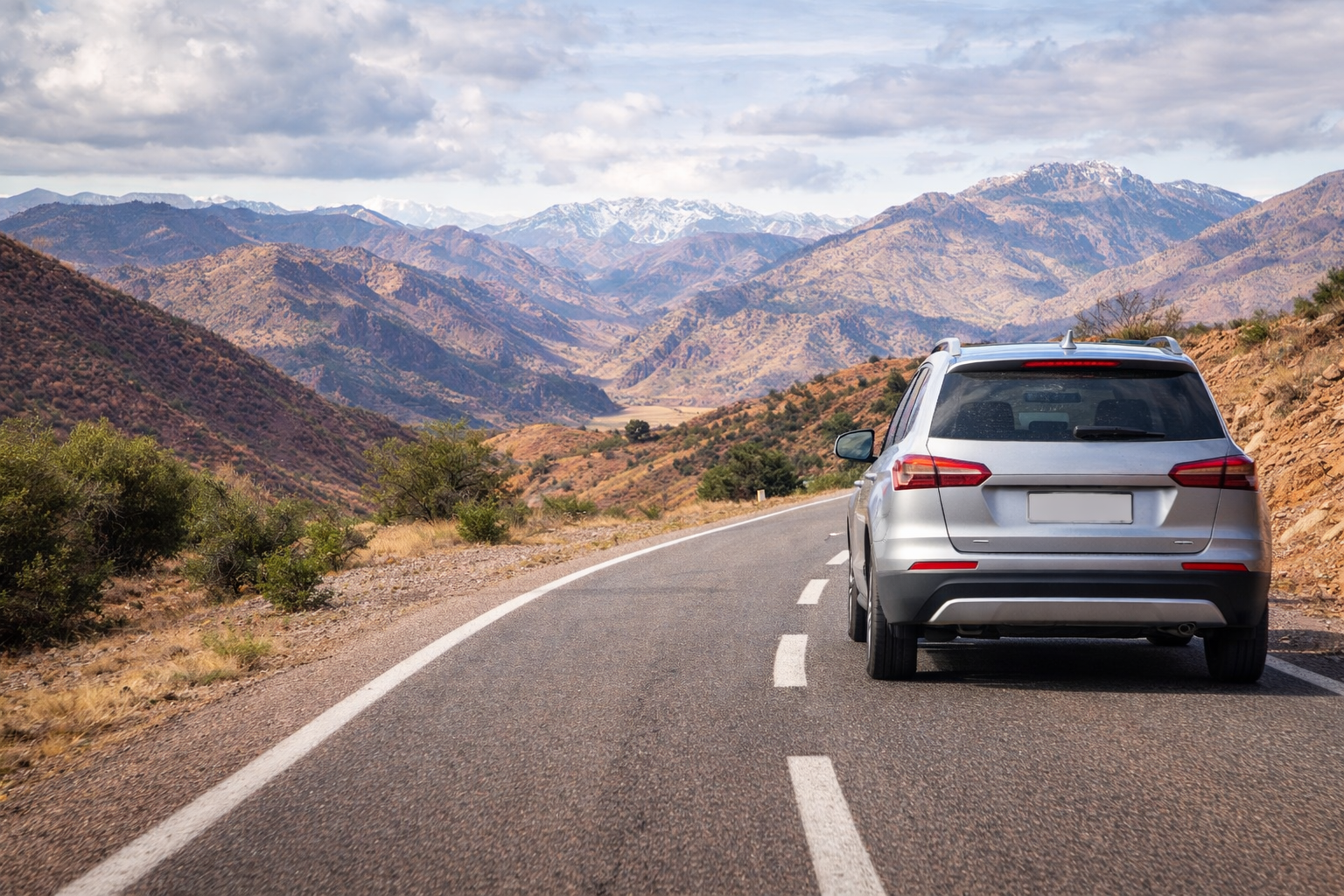
There are two realistic ways to do this. The inland route follows the N8 national road through Beni Mellal, Khenifra, Azrou and Ifrane, roughly 480 km in total. It is toll-free and mostly well paved, with radar-heavy stretches near towns where everyone slows down at once, and it is the scenic option: flat farmland first, then cedar forest and the first real curves of the trip in the Middle Atlas.
The second option is the motorway: north to Casablanca, then east through Rabat to Fes. It is longer in kilometres (around 530 km) but usually a little faster, with toll gates along the way and very little scenery. Choose it if you are short on time or driving after dark.
If you only have one day, take the direct road and stop twice: once in Beni Mellal for coffee, once in Ifrane to stretch your legs. If you can spare two days, break the drive in Azrou or Ifrane overnight. Ifrane in particular looks nothing like the rest of Morocco. Alpine roofs, pine trees, and a climate that gets actual snow in January. It is a strange, pleasant detour.
Marrakech to Fes road trip at a glance
| Inland route (N8) | Motorway route | |
|---|---|---|
| Via | Beni Mellal, Khenifra, Azrou, Ifrane | Casablanca, Rabat |
| Distance | About 480 km | About 530 km |
| Tolls | None | Yes, at motorway gates |
| Best for | Scenery, Middle Atlas stops, an overnight in Ifrane or Azrou | Speed, night driving, combining with Casablanca or Rabat |
What the road actually feels like
Outside the cities, traffic thins out fast. You will share the road with the occasional mule cart near villages and with trucks on the climbs, but nothing like the chaos of central Marrakech. The N8 itself has no toll gates; tolls only apply if you choose the motorway via Casablanca and Rabat, where you can pay in cash or by card at most gates. Fuel stations are frequent enough that you never need to worry about range, but fill up before Beni Mellal if you are taking the scenic route through smaller towns, where stations are more spread out.
The pass near Ifrane sits around 1,700 meters, which matters mostly for two reasons: fog can roll in fast in winter, and the temperature drop surprises people who packed for desert heat. Keep headlights on even in daylight through that stretch.
Where to stop along the way
Three places are worth the detour. Beni Mellal has a decent lunch stop and views over the Tadla plain if you climb up to the old kasbah above town. Azrou has a wood carving souk that is genuinely different from the tourist shops in Marrakech, plus a short detour to the cedar forest where the monkeys gather. Ifrane itself is small enough to see in an hour: the lion statue, the lake, a walk through the European-style town center that locals still call Morocco’s Switzerland.
Skip Khenifra unless you need fuel or food. It is a working town with little to see from the road.
Renting the right car for this drive
This is a highway and mountain drive, not an off-road one, so you do not need a 4×4 for the Marrakech-Fes leg itself. A comfortable sedan or mid-size SUV with good cruise control handles it fine, and the extra ride height helps on the mountain curves near Ifrane. If you plan to continue from Fes into the Middle Atlas backroads afterward, an SUV gives you more margin.
Marralux sets up car rental in Marrakech with full tanks and unlimited mileage, which matters on a drive this long since you will easily clock 500 km round trip if you come back the same way. You can browse the full fleet before you book to compare SUVs and sedans for this specific route.
Check tire condition and the spare tire before you leave the pickup point. It is a long way to wait for roadside help if something goes wrong on an empty stretch past Khenifra.
Costs to expect
Budget for fuel (figure 400 to 500 MAD each way for an average sedan), motorway tolls only if you take the Casablanca–Rabat route (the N8 is toll-free), and one overnight stay if you are breaking the trip. A mid-range hotel in Ifrane or Fes runs well below what you would pay in Marrakech for the same quality, which is one more reason to split the drive rather than push through in one go. For background on the roads you will be using, the Wikipedia page on transport in Morocco has a useful overview of the national highway network.
If you are combining this drive with other legs of a longer trip, our guide to Morocco’s main road trip routes covers how this one connects to the desert circuits further south, and our 7-day itinerary shows where Fes fits into a full loop.
Marrakech to Fes road trip FAQ
Can I do the Marrakech to Fes road trip in one day?
Yes, if you start early. Allow a full day including breaks. Splitting the drive with a night in Ifrane or Azrou makes the Marrakech to Fes road trip far more relaxed, especially in winter when fog and snow are possible in the Middle Atlas.
Can I drop the car off in Fes?
Many agencies allow it for a one-way fee. Our guide to one-way car rental from Marrakech explains how drop-off fees work, and if you need a car once you arrive, see our page on car rental in Fes.
Do I need a 4×4?
No. Both routes are paved. A sedan or compact SUV is enough unless you plan to explore unpaved Middle Atlas tracks afterwards.
Book your car at least a few days ahead if you are traveling in July, August, or around the spring holidays. Pick a vehicle with real air conditioning and cruise control, confirm unlimited mileage before you sign anything, and start early enough to reach Ifrane by lunch. That timing alone makes the rest of the drive far less rushed.
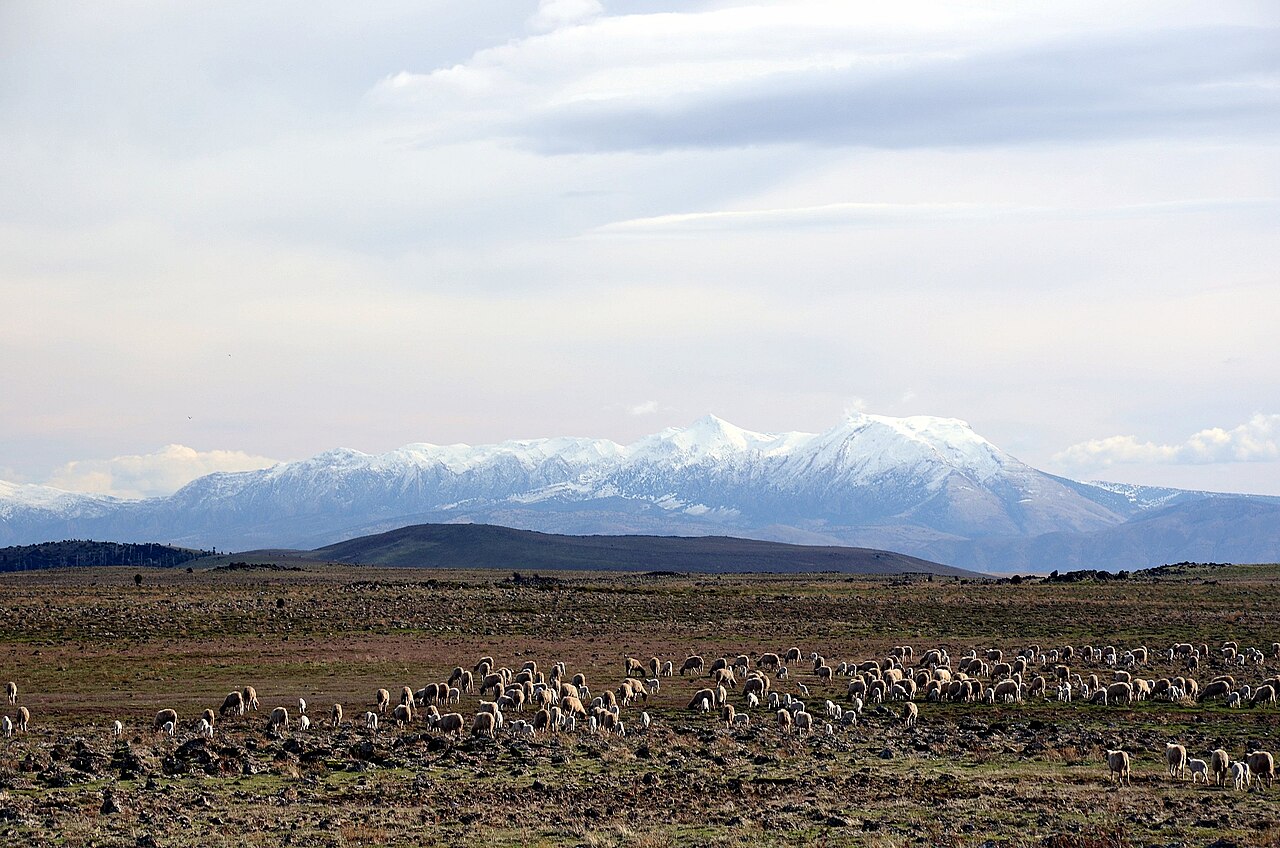
Photo: Middle Atlas by Иерей Максим Массалитин, CC BY-SA 2.0, via Wikimedia Commons (source).