
Car Hire in Morocco: The Complete 2026 Guide for Smart Travelers
Car hire in Morocco offers unparalleled freedom to explore from the Atlas Mountains to the Sahara Desert at your own pace. Expect daily rates from €15-€65 depending on vehicle type, with the best deals found booking 2-4 weeks ahead during off-peak seasons (November-March). Essential requirements include a valid driver’s license, International Driving Permit (recommended), credit card for deposit (€300-€1,500), and comprehensive insurance. Morocco’s 57,000 km of roads range from modern toll highways to mountain passes, requiring defensive driving and cultural awareness. Reputable companies like Marralux provide transparent pricing, airport delivery, 24/7 support, and vehicles under 3 years old for worry-free adventures across Morocco’s diverse landscapes.
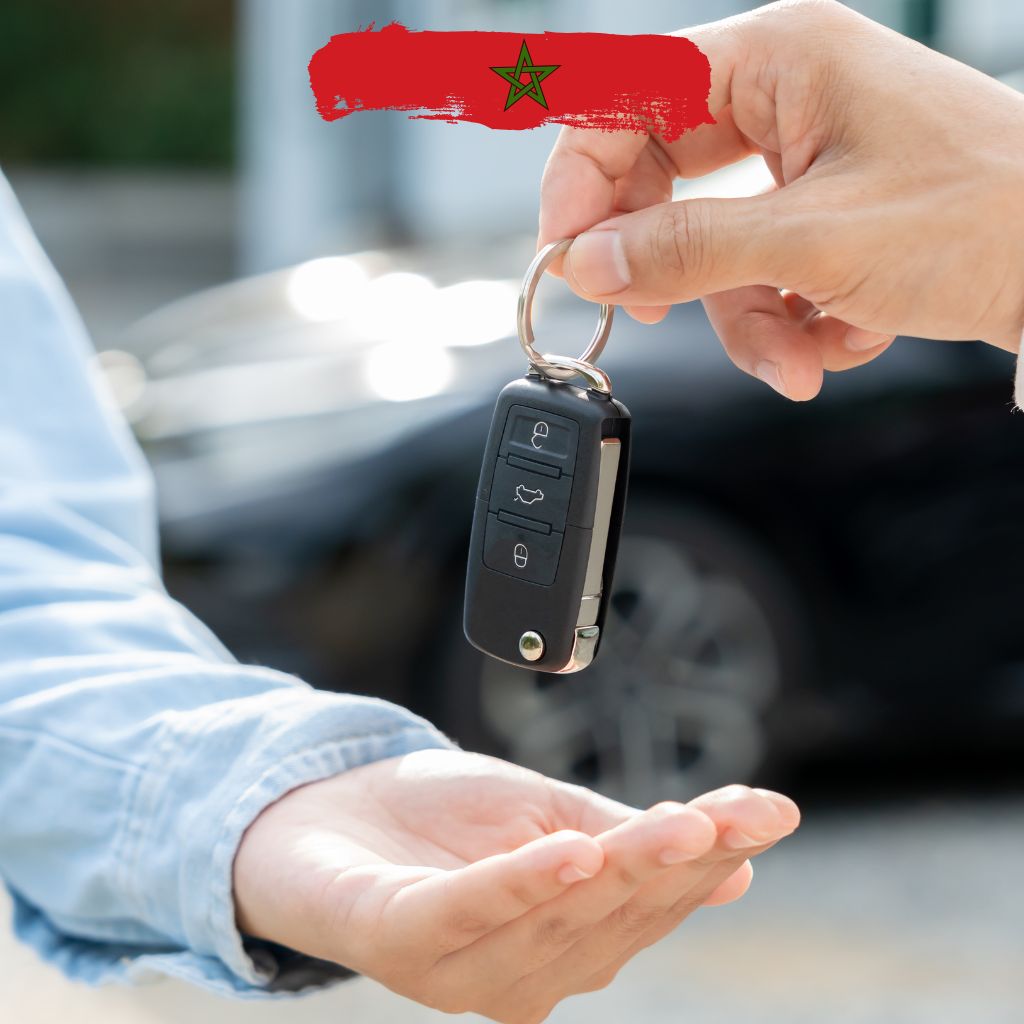
Introduction: Why Car Hire Transforms Your Morocco Experience
Morocco reveals its true magic beyond the guided tours and organized excursions. While buses connect major cities and trains serve the Casablanca-Marrakech-Tangier corridor efficiently, the country’s most extraordinary experiences lie along winding mountain roads, in remote Berber villages, beside hidden waterfalls in the Atlas foothills, and deep in the Sahara where the silence is broken only by desert winds.
Car hire in Morocco unlocks this freedom. It transforms your journey from a predetermined itinerary into a spontaneous adventure where you can stop at roadside cooperatives to watch argan oil production, detour to ancient kasbahs visible from the highway, chase sunset vistas across the Dades Valley, or extend your stay in a mountain village that captured your heart. You set your schedule, choose your routes, and experience Morocco at the rhythm that feels right for you.
This comprehensive guide covers everything you need to know about car hire in Morocco: from choosing the right vehicle and understanding pricing to navigating rental agreements, mastering Moroccan roads, and avoiding common pitfalls that catch unprepared travelers. Whether you’re planning a week-long Atlas Mountains circuit, a two-week grand tour from Tangier to the Sahara, or a focused exploration of Morocco’s imperial cities, this guide ensures your car hire experience is smooth, affordable, and empowering.
Understanding the Morocco Car Hire Market
Market Overview: Morocco’s car hire industry serves approximately 3 million international visitors annually, creating a competitive market with both international rental chains and local operators. The sector has matured significantly over the past decade, with improved transparency, modern fleets, and better customer service standards, though quality still varies dramatically between companies.
International Brands Present:
- Hertz Morocco: Extensive network, premium pricing, newest vehicles (average 1-2 years old)
- Sixt Morocco: German precision, clear contracts, competitive rates, strong airport presence
- Avis Morocco: Global brand recognition, reliable service, mid-to-premium pricing
- Europcar Morocco: Wide availability, reasonable rates, decent fleet condition
- Budget Morocco: Economy-focused, older vehicles, lower prices with fewer amenities
Local Premium Operators: Companies like Marralux cater specifically to European tourists seeking quality service at fair prices. These operators combine competitive rates (typically 20-30% below international brands) with personalized attention, local expertise, and service standards matching or exceeding global chains. They understand foreign drivers’ concerns and provide clearer communication, flexible policies, and genuine support.
Budget Local Companies: Numerous small operators advertise rock-bottom rates (€7-€12/day) but often compensate through mandatory insurance upsells, hidden fees, older vehicles, and aggressive damage claims. While some legitimate budget operators exist, this segment requires careful vetting through reviews and transparent communication before booking.
Seasonal Dynamics: Morocco’s car hire market experiences dramatic seasonal fluctuations:
Peak Demand (March-May, September-November): Prices increase 30-50%, availability tightens (especially SUVs and automatics), booking 4-6 weeks ahead is essential, and last-minute rentals face premium rates or unavailability.
Summer (June-August): Coastal destinations see high demand while inland areas (Marrakech, desert) experience lower tourism due to extreme heat. Mixed pricing with opportunities for SUV discounts if avoiding coast.
Off-Peak (December-February): Lowest rates (25-40% below peak), excellent availability, flexible negotiation, but weather limitations (mountain snow, coastal rain) restrict some routes.
Holiday Surges: Ramadan, Eid al-Fitr, Eid al-Adha, Christmas, and Easter see 20-40% price increases and reduced availability.
Choosing the Right Vehicle for Your Morocco Adventure
Vehicle Categories Available:
Economy Cars (Dacia Logan, Renault Clio, Hyundai i10)
Daily Rate: €15-€25 | Weekly: €90-€150
Best For: Budget travelers, couples, city exploration, paved highways
Passenger Capacity: 4-5 | Luggage: 2 medium bags
Fuel Efficiency: 5-6 L/100km (excellent)
Economy cars suit travelers focusing on Morocco’s cities and major highways. They navigate narrow medina streets easily, park in tight spaces, and deliver exceptional fuel economy. However, limited luggage space and low ground clearance make them unsuitable for off-road adventures or extensive mountain travel.
Ideal Itinerary: Casablanca → Rabat → Chefchaouen → Fes → Meknes → Casablanca (paved roads, moderate distances, city-focused)
Compact & Mid-Size Sedans (Dacia Sandero, Peugeot 208, Renault Megane)
Daily Rate: €20-€35 | Weekly: €120-€210
Best For: Small families, mixed city/highway driving, comfort-focused trips
Passenger Capacity: 5 | Luggage: 3-4 medium bags
Fuel Efficiency: 6-7 L/100km (good)
The sweet spot for most Morocco travelers. Compact sedans provide more trunk space than economy cars, better highway stability, comfortable seating for longer journeys, and capability for paved mountain passes (Tizi n’Tichka, Tizi n’Test). They handle Morocco’s diverse road conditions confidently while maintaining reasonable fuel costs.
Ideal Itinerary: Marrakech → Essaouira → Agadir → Taroudant → Atlas Mountains → Marrakech (varied terrain, family-friendly distances)
SUVs & 4×4 Vehicles (Dacia Duster, Renault Captur, Toyota Land Cruiser)
Daily Rate: €40-€65 | Weekly: €240-€385
Best For: Off-road adventures, desert access, mountain exploration, families with luggage
Passenger Capacity: 5-7 | Luggage: 4-6 large bags
Fuel Efficiency: 8-10 L/100km (moderate)
Essential for serious Morocco exploration. SUVs provide ground clearance for unpaved roads, traction for sand and gravel, confidence on steep mountain grades, and space for family luggage plus adventure gear. If your itinerary includes remote desert camps, mountain villages beyond paved access, or extensive Atlas Mountains exploration, an SUV isn’t luxury—it’s necessity.
Ideal Itinerary: Fes → Ifrane → Midelt → Merzouga (Sahara) → Todra Gorge → Dades Valley → Ait Benhaddou → Marrakech (off-road sections, desert access, mountain passes)
Luxury & Premium Vehicles (BMW 3/5 Series, Mercedes C/E-Class, Audi A4/A6)
Daily Rate: €60-€120+ | Weekly: €350-€700+
Best For: Business travel, special occasions, premium comfort expectations
Passenger Capacity: 5 | Luggage: 3-4 large bags
Fuel Efficiency: 7-9 L/100km (good for luxury)
Luxury vehicles offer superior comfort for long-distance highway travel, advanced features (navigation, climate control, premium audio), prestige for business meetings, and refined ride quality. They’re overkill for adventure-focused trips but ideal for business travelers combining work with leisure or tourists prioritizing comfort over cost.
Ideal Itinerary: Casablanca (business) → Rabat → Marrakech (leisure) → Return Casablanca (highway-focused, comfort-oriented)
Minivans & People Carriers (Mercedes Vito, Renault Trafic, Ford Transit)
Daily Rate: €70-€120 | Weekly: €420-€700
Best For: Large families, groups of 6-9 travelers, extensive luggage
Passenger Capacity: 7-9 | Luggage: 6-8 large bags
Fuel Efficiency: 9-11 L/100km (moderate)
Perfect for multi-generational families or friend groups traveling together. Minivans drastically reduce per-person costs while providing space for everyone plus luggage. They handle highways well but are less suitable for tight city medinas or challenging mountain roads.
Ideal Itinerary: Any route with 6+ travelers where splitting into multiple cars would cost more and reduce group cohesion
Manual vs. Automatic Transmission: Making the Right Choice
The Morocco Reality: Approximately 85% of Morocco’s rental fleet consists of manual transmission vehicles. This reflects both local driving preferences (manual is standard throughout Morocco) and economic factors (manual transmissions cost less to purchase and maintain).
Automatic Availability: Limited to premium categories, newer SUV models, and luxury vehicles. During peak seasons, automatic cars book out 4-6 weeks in advance.
Price Difference: Expect 30-50% premium for automatic transmission. An economy manual at €18/day becomes €26-€32/day in automatic. Over a week, this adds €56-€98 to rental costs.
Terrain Considerations:
- Highway Driving: Automatics provide relaxed cruising on Morocco’s excellent toll roads
- Mountain Passes: Manuals offer better control on steep grades (Tizi n’Tichka, Tizi n’Test)
- City Traffic: Automatics reduce fatigue in congested Marrakech, Casablanca, Fes traffic
- Desert/Off-Road: Manual transmissions provide superior control in sand and rocky terrain
Learning Curve: If you’re not comfortable with manual transmission, Morocco isn’t the ideal place to learn. Managing unfamiliar roads, assertive driving culture, navigation, and language barriers while learning manual adds unnecessary stress.
Booking Strategy: If you require automatic, specify this explicitly during initial booking, confirm multiple times before pickup, and have backup plans if automatic becomes unavailable (upgrade to higher category, different pickup city, or modified itinerary).
Car Hire Pricing: What You’ll Really Pay
Base Daily Rates (2026 Market Averages):
| Vehicle Type | Low Season | Mid Season | Peak Season | Weekly Discount |
|---|---|---|---|---|
| Economy Manual | €15-€20 | €20-€25 | €25-€35 | 15-25% |
| Compact Sedan | €20-€28 | €28-€35 | €35-€45 | 20-30% |
| SUV/4×4 | €40-€50 | €50-€60 | €60-€80 | 20-25% |
| Automatic +30-50% | +€8-€15/day | +€10-€18/day | +€12-€25/day | Same % |
| Luxury | €60-€80 | €80-€100 | €100-€150 | 15-20% |
Additional Costs to Budget:
Insurance:
- Basic CDW (included): €500-€1,200 deductible
- Full Coverage (Super CDW): €8-€25/day (reduces deductible to €0)
- Windscreen/Tire Coverage: €3-€8/day
- Total Insurance Impact: €0-€175/week depending on coverage chosen
Fuel Costs (Full-to-Full Policy):
- Gasoline: €1.25-€1.35/liter
- Diesel: €1.15-€1.25/liter
- Average 7-Day Trip (1,000 km, compact car): €75-€95 fuel cost
- Average 14-Day Trip (2,200 km, SUV): €220-€280 fuel cost
Optional Extras:
- Additional Driver: €3-€8/day (€21-€56/week) – FREE at Marralux for 3+ day rentals
- GPS Navigation: €5-€8/day (€35-€56/week) – unnecessary with smartphone offline maps
- Child Safety Seat: €5-€10/day (€25-€50/week)
- One-Way Drop-Off Fee: €50-€250 depending on distance
Mandatory Fees (Some Companies):
- Airport Pickup Surcharge: €10-€30 (FREE at Marralux)
- Young Driver Fee (under 25): €5-€15/day
- Cleaning Fee (if returned excessively dirty): €20-€50
Real-World Total Cost Examples:
Budget 7-Day Trip (Economy Car):
- Vehicle Rental: €16/day × 7 = €112
- Basic Insurance: Included
- Fuel (800 km): €60
- Tolls: €15
- Parking: €20
- Total: €207 (€29.60/day all-inclusive)
Standard 10-Day Trip (Compact Sedan, Full Insurance):
- Vehicle Rental: €28/day × 10 = €280
- Full Coverage Insurance: €15/day × 10 = €150
- Fuel (1,400 km): €110
- Tolls: €30
- Parking: €25
- Total: €595 (€59.50/day all-inclusive)
Premium 14-Day Trip (SUV, Full Coverage):
- Vehicle Rental: €52/day × 14 = €728
- Full Coverage Insurance: €18/day × 14 = €252
- Fuel (2,400 km): €280
- Tolls: €50
- Parking: €40
- Child Seat: €40
- Total: €1,390 (€99.30/day all-inclusive)
For detailed cost breakdowns and money-saving strategies, see our comprehensive Car Rental Morocco Cost: 2026 Price Breakdown & Budget Planning Guide.
The Car Hire Booking Process: Step-by-Step
Step 1: Research & Compare (3-4 Weeks Before Arrival)
Start your search 3-4 weeks before your Morocco arrival date—the sweet spot for best availability and pricing. Use comparison tools but always verify final prices directly with rental companies, as aggregator sites sometimes omit fees or insurance costs.
Key Comparison Points:
- Total price including all mandatory fees (not just daily rate)
- Insurance coverage included vs. optional (with exact deductible amounts)
- Mileage limits (confirm unlimited mileage)
- Fuel policy (full-to-full is standard and fairest)
- Cancellation terms (free cancellation up to 24-48 hours is ideal)
- Vehicle age and condition (check reviews)
- Customer service accessibility (phone, email, WhatsApp support)
Step 2: Request Detailed Quote
Contact 2-3 shortlisted companies requesting itemized quotes via email. Professional companies provide written breakdowns within 24 hours covering:
- Daily/weekly vehicle rate
- Insurance options with coverage details
- All mandatory fees (airport, young driver, etc.)
- Optional extras (GPS, child seats, additional drivers)
- Deposit amount required
- Cancellation and modification policies
Step 3: Verify Requirements
Confirm you meet all requirements and understand documentation needed:
- Driver’s License: Valid for at least 1 year (some companies require 2 years)
- International Driving Permit: Technically required, always recommended
- Credit Card: In primary driver’s name with sufficient limit for deposit
- Passport/ID: Valid throughout rental period
- Age Requirements: Confirm minimum age and any surcharges
- Insurance Understanding: Clear on what’s covered, what’s not, deductible amounts
Step 4: Book & Confirm
Once satisfied with a quote, complete the booking. Reputable companies provide:
- Booking confirmation email with reference number
- Complete cost breakdown in writing
- Rental terms and conditions
- Contact information for questions
- Pickup instructions (where to meet, what to bring)
Save Everything: Screenshot the booking page, save all confirmation emails, and print or download the rental agreement PDF for offline access.
Step 5: Pre-Departure Preparation
One Week Before Departure:
- Reconfirm booking via email or WhatsApp
- Verify pickup time and location
- Check flight arrival time and inform rental company if changes
- Notify credit card company of Morocco travel to prevent fraud blocks
- Download offline maps (Google Maps, Maps.me, Organic Maps) for Morocco
- Review driving rules and road signs in our Driving in Morocco Complete Guide
Step 6: Pickup Process
Arrive at the rental location with all required documents. Professional companies like Marralux streamline pickup in 20-30 minutes:
Documents Verification:
- Present driver’s license, IDP, passport, credit card
- Sign rental agreement after reading thoroughly
- Confirm insurance coverage and deductible amount
- Verify total cost matches booking confirmation
Vehicle Inspection:
- Walk completely around vehicle with staff member
- Photograph ALL sides, front, back, roof, wheels, interior
- Note every scratch, dent, tire condition, windscreen chips
- Check spare tire, jack, warning triangle, safety vest, paperwork in glove box
- Test lights, wipers, indicators, horn, air conditioning
- Confirm fuel level (should be full)
- Adjust seats, mirrors, understand controls before leaving
Final Confirmation:
- Verify return date, time, and location
- Save rental company emergency contact number
- Confirm after-hours return procedure if applicable
- Ask questions about toll payment, parking, fuel stations
Step 7: During Your Rental
Drive Responsibly:
- Follow Morocco traffic laws and drive defensively
- Keep all documents (license, IDP, passport, rental agreement) in vehicle always
- Never leave valuables visible in parked car
- Park in guarded lots (parking gardé) whenever possible
If Issues Arise:
- Contact rental company immediately for breakdowns, accidents, or damage
- For accidents, call police (19) to file report (“constat amiable”)
- Never admit fault or sign documents you don’t understand
- Photograph accident scene, damage, other vehicle, gather witness information
- Follow rental company’s accident procedure exactly
Step 8: Return Process
Plan Ahead:
- Locate gas station within 2-3 km of return location
- Fill tank completely (to auto-shutoff), save receipt
- Clean vehicle exterior reasonably (remove excessive dirt/mud)
- Remove all personal belongings, check trunk, glove box, under seats
Final Inspection:
- Inspect vehicle together with staff member
- Reference your pickup photos for any damage disputes
- Ensure staff documents vehicle condition accurately
- Confirm no additional charges before leaving
- Request receipt showing vehicle returned undamaged
- Verify deposit release timeline (usually 7-14 days)
Essential Documents for Car Hire in Morocco
Mandatory Documents (Carry Originals at All Times):
1. Valid Driver’s License
Your original home country driver’s license must be valid for the entire rental period. Most rental companies require:
- Minimum Validity: 1 year of driving experience (some require 2 years)
- Condition: Undamaged, legible, with clear photo
- Points/Restrictions: Clean record without major violations
Accepted Licenses: EU, UK, US, Canadian, Australian, New Zealand, and most international licenses are recognized. Some non-Latin alphabet licenses (Arabic, Chinese, Cyrillic) may require translation or IDP for clarity.
2. International Driving Permit (IDP)
Technically mandatory in Morocco, the IDP translates your license into multiple languages including Arabic and French. While enforcement isn’t universal, having an IDP prevents complications at police checkpoints and in accident situations.
How to Obtain:
- US: AAA offices or online ($20, takes 2-3 weeks)
- UK: Post Office ($5.50, instant or by mail)
- EU: National automobile clubs (€15-€25, varies by country)
- Australia: AAA offices ($42, instant or by mail)
- Canada: CAA offices ($25, instant)
Validity: IDPs are typically valid for 1 year from issue date.
Important: IDP without your original license is worthless. Both must be presented together.
3. Passport or National ID Card
You’ll need valid identification throughout your rental. EU citizens can use national ID cards; all others require passports.
Requirements:
- Valid for the entire Morocco stay
- Undamaged with clear photo page
- Matching the name on your driver’s license and credit card
4. Credit Card (Primary Driver’s Name)
Non-negotiable requirement for the security deposit. Debit cards, even with Visa/Mastercard logos, are almost never accepted.
Requirements:
- Cardholder Name: Must match primary driver’s name exactly
- Available Credit: Sufficient for deposit (€300-€2,000 depending on vehicle)
- Card Type: Visa or Mastercard (most common); American Express sometimes accepted
- Validity: Must be valid throughout rental period plus 30 days
Before Leaving Home: Notify your credit card company you’ll be traveling to Morocco and making a large car rental hold to prevent fraud blocks.
5. Rental Agreement/Voucher
Print or save offline digital copies of:
- Booking confirmation with reference number
- Complete rental agreement
- Insurance coverage details
- Emergency contact numbers
Understanding Car Hire Insurance in Morocco
Insurance represents the most confusing and financially significant aspect of car hire in Morocco. Companies use complex terminology, and coverage varies dramatically between operators. Here’s everything you need to know to make informed decisions.
Basic Coverage (Usually Included):
Third-Party Liability (TPL)
Legally mandatory in Morocco, TPL covers damage you cause to other vehicles, property, or people. This is included in virtually all rental rates and is non-negotiable. It protects you from liability if you cause an accident injuring others or damaging their property.
Coverage Limits: Typically €1,000,000+ for injury/death, €500,000+ for property damage
Collision Damage Waiver (CDW)
Reduces your financial responsibility for damage to your rental vehicle, but usually comes with a significant deductible (called “excess” in UK terminology).
Standard CDW Deductible: €500-€1,200 depending on vehicle category
What This Means: If you damage the car (scratch, dent, collision), you pay the deductible amount, and insurance covers the rest. For example, with a €800 deductible, if you cause €3,000 in damage, you pay €800 and insurance pays €2,200.
Optional Upgrades (Extra Cost):
Super CDW / Full Coverage Insurance
Reduces or eliminates the CDW deductible entirely.
Cost: €8-€25 per day (€56-€175 per week)
Benefit: Deductible reduced to €0-€100, meaning you pay nothing or minimal amounts for covered damage
Value Calculation: For a 7-day rental, full coverage costs €105-€175. If you have even one minor incident causing €600 in damage, the insurance pays for itself.
Theft Protection (TP)
Covers vehicle theft or attempted theft damage.
Cost: €5-€15 per day (often included with Super CDW packages)
Deductible: €300-€800 typically
Necessity: Morocco has low vehicle theft rates in tourist areas, but this coverage provides peace of mind
Windscreen, Tire & Undercarriage Coverage
Standard insurance often excludes damage to glass, tires, and undercarriage—common damage points on Moroccan roads.
Cost: €3-€8 per day
What’s Covered: Windscreen chips/cracks, tire punctures, undercarriage damage from rocks/potholes
Value: Morocco’s roads include significant potholes, mountain rocky sections, and flying debris. This coverage is worthwhile for Atlas Mountains or desert routes.
What’s NEVER Covered (Read Carefully):
- Interior Damage: Stains, tears, broken components, smoke odor
- Personal Belongings: Items stolen from the car (get travel insurance for this)
- Driving Under Influence: Any accident involving alcohol/drugs voids all coverage
- Unauthorized Drivers: Only listed drivers are covered
- Off-Road Damage: Driving beyond vehicle capability (taking sedan on 4×4-only trails)
- Prohibited Activities: Racing, commercial use, cross-border without permission
- Pre-Existing Damage: Damage not documented during pickup inspection
Should You Buy Full Coverage?
Buy Full Coverage If:
- This is your first time driving in Morocco
- You’re not confident in tight city driving or mountain roads
- Your itinerary includes challenging terrain (Atlas Mountains, unpaved roads)
- You’re renting a premium/luxury vehicle (higher repair costs)
- You want complete peace of mind without financial worry
- Your credit card insurance doesn’t cover Morocco (most don’t)
Basic Coverage May Suffice If:
- You’re an experienced international driver comfortable with challenging conditions
- Your itinerary is primarily highways and major cities
- You’re comfortable risking the deductible amount (€500-€1,200)
- You have verified comprehensive travel insurance covering rental car excess
- You’re driving an economy vehicle (lower repair costs)
Marralux Recommendation: For most European tourists, full coverage provides invaluable peace of mind for €15-€20/day. Moroccan driving culture, road conditions, and tight medina streets create real risk of minor damage. The insurance cost is modest compared to potential out-of-pocket expenses and stress of damage disputes.
For comprehensive insurance guidance, see our detailed Insurance for Car Rental in Morocco Complete Guide.
Morocco’s Road Network: What to Expect
Morocco has invested heavily in road infrastructure over the past two decades, creating one of Africa’s best road networks with approximately 57,000 km of paved roads including 1,800 km of modern toll motorways.
Highway System (Autoroutes):
Morocco’s toll motorways are excellent: smooth pavement, multiple lanes, clear signage, rest areas with facilities, and 120 km/h speed limits. Major routes include:
- A1: Rabat – Larache (148 km)
- A2: Rabat – Fes (212 km)
- A3: Casablanca – Rabat (86 km)
- A7: Casablanca – Marrakech (236 km)
- A4: Rabat – Tangier (230 km via Larache)
Toll Costs: Reasonable by European standards. Casablanca to Marrakech costs approximately €12-€15. You pay cash or card at toll booths; toll transponders aren’t standard in rental cars.
Driving Experience: Comparable to European highways with occasional aggressive overtaking and variable lane discipline.
National Roads (Routes Nationales):
Primary roads connecting cities and regions. Quality varies:
- Major Routes (N1, N8, N9, N13): Well-maintained, two lanes each direction, moderate traffic
- Secondary National Roads: Single lane each direction, variable condition, slower speeds
- Mountain Routes: Spectacular scenery but winding, narrow, steep grades (25-40 km/h speeds common)
Regional & Provincial Roads:
Connecting smaller towns and villages. Conditions range from decent pavement to rough asphalt with potholes. Expect livestock, pedestrians, unmarked speed bumps, and occasional unpaved sections.
Off-Road Tracks (Pistes):
Unpaved roads accessing remote areas, mountain villages, and desert camps. Require SUV/4×4 vehicles and driving experience. Conditions vary from graded gravel to rocky, sandy, or muddy depending on season.
Road Hazards to Navigate:
- Potholes: Common on regional and rural roads; drive slowly and scan ahead
- Speed Bumps (Ralentisseurs): Often unmarked, sudden, and damaging if hit at speed
- Livestock: Donkeys, sheep, goats, camels cross roads anywhere; assume animals are unpredictable
- Pedestrians: Walk along and across roads everywhere, including highways
- Motorcycles & Scooters: Weave between lanes, appear suddenly, rarely signal
- Construction: Road work often has minimal signage or warning; reduce speed in urban areas
- Night Hazards: Vehicles without lights, pedestrians in dark clothing, animals—avoid rural night driving
For comprehensive road guidance, consult our Driving in Morocco: Complete 2026 Guide to Rules, Safety & Road Conditions.
Money-Saving Car Hire Strategies
1. Book During Off-Peak Seasons
Winter months (December-February) offer 25-40% lower rates than peak spring/autumn seasons. If your schedule is flexible, traveling during off-peak periods provides exceptional value. Be aware that some mountain passes may be snow-closed, and coastal weather can be rainy.
2. Opt for Weekly Rates Over Daily
Rental companies offer significant discounts for weekly bookings. A car advertised at €25/day drops to €18-€20/day when booked for 7+ days (15-25% savings). If your trip is 5-6 days, check whether extending to 7 days costs less overall than per-day pricing.
3. Choose City Pickup Over Airport (When Practical)
Airport pickup convenience comes with €15-€30 surcharges. If you’re spending 1-2 days in your arrival city before starting your road trip, city-center pickup eliminates this fee. However, if you’re driving immediately upon arrival, the convenience usually justifies the small premium.
Marralux Note: We include free airport delivery at major Morocco airports, eliminating this decision entirely.
4. Skip Unnecessary Extras
- GPS: Unnecessary with smartphone offline maps (download Morocco via Google Maps, Maps.me, or Organic Maps before departure)
- Fuel Pre-Purchase: Almost never beneficial; stick with full-to-full policy
- Extra Insurance Layers: Understand what’s included before adding redundant coverage
- Toll Transponders: Morocco uses cash/card toll booths; electronic transponders aren’t standard
5. Bring Your Own Child Seats (If Feasible)
Renting child seats costs €25-€50/week. If you’re checking luggage anyway, bringing your own car seat (typically free airline checked item for families with young children) saves rental fees and ensures familiar safety equipment.
6. Book Directly with Reputable Companies
Third-party aggregator sites sometimes advertise lower rates but add booking fees, complicate modifications, and create communication barriers. Booking directly with rental companies often provides better rates (especially with promotional codes), clearer terms, and direct accountability.
7. Join Loyalty Programs (For Frequent Renters)
If you rent cars frequently internationally, programs like Hertz Gold Plus or Avis Preferred offer faster service, occasional free upgrades, and accumulated discounts. However, for one-time Morocco trips, direct booking with transparent local premium operators like Marralux typically delivers better value.
8. Consider Manual Transmission
If you’re comfortable driving manual, this single choice saves 30-50% on daily rates—potentially €50-€100 per week.
9. Negotiate for Extended Rentals
Rentals exceeding 14 days often unlock additional discounts beyond standard weekly rates. Contact rental companies directly to negotiate long-term rates (14-30 days) for potential 10-20% additional savings.
10. Avoid One-Way Fees with Circular Routes
Plan itineraries returning to your starting city, saving €50-€250 in one-way drop-off fees while creating more logical travel flow.
For detailed cost analysis and budgeting guidance, see our Car Rental Morocco Cost: 2026 Price Breakdown Guide.
Best Car Hire Companies in Morocco
International Brands:
Hertz Morocco
Strengths: Newest fleet (average 1-2 years old), extensive airport network, clear contracts, excellent roadside assistance, strong brand accountability
Pricing: Premium (30-50% above local operators)
Best For: Business travelers prioritizing reliability over cost
Sixt Morocco
Strengths: German precision, transparent pricing, modern vehicles, strong customer service, competitive rates for international brand
Pricing: Mid-to-premium (20-40% above local operators)
Best For: Tourists wanting international brand assurance with reasonable pricing
Avis Morocco
Strengths: Global recognition, solid fleet, reliable service, good airport coverage
Pricing: Premium (25-45% above local operators)
Best For: Travelers with Avis loyalty benefits or corporate discounts
Local Premium Operators:
Marralux
Strengths: Transparent all-inclusive pricing, vehicles under 3 years old, free airport/hotel delivery, 24/7 WhatsApp support, tourist-focused service, one free additional driver (3+ day rentals)
Pricing: Competitive (20-30% below international brands with equivalent service quality)
Best For: European tourists seeking quality service, fair prices, and genuine support
Customer Focus: Specifically designed for foreign visitors’ needs and concerns
MLB Rent a Car
Strengths: Established local operator, reasonable rates, decent fleet
Pricing: Moderate
Best For: Budget-conscious travelers accepting some trade-offs on vehicle age
Red Flags to Avoid:
- Companies advertising €7-€12/day rates (usually involve hidden mandatory fees)
- Operators with predominantly negative reviews mentioning surprise charges
- Companies unwilling to provide written all-inclusive quotes
- Rental offices with poor vehicle maintenance (visible exterior damage, dirty interiors)
- Aggressive counter sales tactics or pressure to buy unnecessary extras
How to Evaluate Any Company:
- Check Multiple Review Platforms: Google Reviews, Trustpilot, TripAdvisor—look for patterns
- Request Written Quotes: Professional companies provide itemized breakdowns within 24 hours
- Verify Insurance Terms: Clear explanation of coverage, deductibles, and exclusions
- Confirm Vehicle Age: Ask average fleet age; under 3-5 years is ideal
- Test Communication: Responsive, helpful answers to questions indicate service quality
- Clarify All Fees: Ensure quote includes all mandatory charges (insurance, airport, young driver, etc.)
Frequently Asked Questions About Car Hire in Morocco
What’s the minimum age to hire a car in Morocco?
Most companies require drivers to be at least 21 years old for economy/compact cars, 23+ for mid-size vehicles, and 25+ for luxury cars and large SUVs. Drivers aged 21-24 typically face young driver surcharges of €5-€15 per day. Some companies set 23 as the absolute minimum. Maximum age limits are rare but occasionally applied (70-75+). Always verify age requirements during booking as policies vary by company.
Can I drive my hired car from Morocco into Spain via ferry?
Generally no. Most rental agreements prohibit taking vehicles outside Morocco without explicit written permission, and insurance typically becomes invalid once you leave the country. If you need to visit Spain during your trip, consider flying or using ferry services as a foot passenger, then hiring a separate car in Spain. A few specialized companies offer cross-border permissions with substantial extra fees and documentation, but this is uncommon for standard tourist rentals.
Is car hire in Morocco safe for tourists?
Yes, millions of tourists hire cars in Morocco annually and travel safely. The main challenges are cultural driving differences (assertive style, flexible rule interpretation), varied road conditions (excellent highways to rough mountain passes), and occasional hazards (livestock, pedestrians, potholes). With defensive driving, patience, and preparation, car hire in Morocco is manageable and opens incredible travel opportunities. Avoid rural night driving, stay alert for unexpected obstacles, and choose reputable rental companies for reliable vehicles and support.
Do I need special insurance for mountain or desert driving?
Standard comprehensive insurance (Super CDW) covers damage regardless of where it occurs, including mountains and desert. However, verify that your policy includes windscreen, tire, and undercarriage coverage for routes with significant rocky sections, steep passes, or unpaved tracks. If your itinerary includes serious off-road driving (not just graded dirt roads but deep sand, rocky tracks, river crossings), confirm your rental agreement explicitly permits such use—many prohibit extreme off-road activities.
Can I hire a car with a debit card instead of credit card?
Very rarely. The vast majority of rental companies in Morocco require a credit card in the primary driver’s name for the security deposit. Debit cards, even those with Visa/Mastercard logos and sufficient funds, are almost universally rejected because rental companies cannot place authorization holds on debit cards the same way they can on credit cards. If you don’t have a credit card, your options are extremely limited—possibly restricted to local budget operators requiring large cash deposits (€1,000-€2,000) with significant risk.
What happens if I get a flat tire or breakdown?
Reputable rental companies provide 24/7 roadside assistance included with your rental. If you experience mechanical issues or a flat tire, call the emergency number provided in your rental documents. The company dispatches assistance (typically within 30-90 minutes in populated areas, longer in remote regions). Never attempt major repairs yourself as this may void insurance. For flat tires in remote areas, most vehicles include spare tires and changing equipment—assess your comfort level or wait for professional assistance. Document everything with photos and keep records of assistance calls.
Unnecessary for most travelers. GPS rental costs €5-€8/day (€35-€56/week), but modern smartphones with offline maps (Google Maps downloaded Morocco regions, Maps.me, Organic Maps) provide excellent navigation without extra cost. Morocco’s major highways are well-signposted, and offline maps work perfectly without data connection. Save the €35-€56 and use your smartphone mounted on a phone holder (bring one or buy locally for €5-€10).
Can I hire an automatic transmission car easily in Morocco?
Automatic transmission vehicles are available but comprise only 10-15% of Morocco’s rental fleet and cost 30-50% more than equivalent manual vehicles. During peak seasons (March-May, September-November), automatic cars book out 4-6 weeks in advance. If you require automatic transmission, specify this explicitly during booking, confirm multiple times, and have backup plans if unavailable (upgrade to higher category, different pickup city, or modified dates). Book as early as possible for automatic transmission requests.
Ready to Hire Your Car and Explore Morocco with Complete Confidence?
You now have comprehensive knowledge about car hire in Morocco—from choosing the right vehicle and understanding pricing to navigating rental agreements, mastering Moroccan roads, and avoiding common pitfalls. Car hire transforms your Morocco journey from a predetermined tour into a spontaneous adventure where you control the pace, choose the stops, and discover hidden gems beyond standard itineraries.
At Marralux, we specialize in making car hire simple, transparent, and stress-free for European tourists. Every quote includes complete transparent pricing with no hidden fees, our modern fleet features only vehicles less than 3 years old, free airport and hotel delivery eliminates convenience surcharges, and our 24/7 WhatsApp support ensures you’re never alone on Moroccan roads.
Get Your Free All-Inclusive Quote Today and see exactly what you’ll pay with complete transparency.
Visit Marralux.com to start planning your Morocco road trip adventure with confidence.